
School Breaks Are Crucial for Youth Athletic Development
School holidays give young athletes time to rest, but long breaks from regular activity can also interrupt the progress they made during term. Without a simple routine, children may return to school feeling less fit, less confident and out of touch with familiar skills. Establishing physical activity during the day helps students improve focus because research on active school breaks demonstrates significant cognitive benefits for growing minds.
A good break includes recovery, unstructured play and enough planned activity to keep children moving. That balance helps them return refreshed while preserving the coordination, endurance and social skills built through school sports and community clubs.
The Slump Between Academic Terms
During a school term, physical activity is often built into a child’s week. PE lessons, after-school clubs, weekend matches and walking to school all create a dependable rhythm. Once the holidays begin, that structure can disappear overnight.
A short period of rest is healthy, especially after a busy competitive schedule. Problems tend to develop when several quiet days become several inactive weeks. Aerobic fitness can begin to decline, while sport-specific movements may feel less natural when training resumes. A young footballer might notice that close control feels rusty, for example, while a tennis player may struggle to judge timing during the first few sessions back.
The mental effect matters too. Sport helps children practice communication, patience and coping with mistakes. Guidance on youth sports development highlights benefits that extend beyond physical ability, including teamwork, confidence and social growth. A prolonged gap can temporarily remove that useful setting.
Parents don’t need to recreate a full school timetable. Two or three active periods each week can provide enough continuity. A bike ride, a family swim or half an hour of ball practice in a local park all count. Keep the mood relaxed and let children choose some activities themselves. Giving them a say makes regular movement feel like part of the holiday, not extra homework.
It also helps to speak with coaches before the final week of term. Ask which one or two skills would be most useful to revisit during the break. A focused suggestion, such as practicing balance or catching with both hands, is easier for a child to follow than a long training plan.
Structured Activity Versus Screen Time
Screens often fill the empty spaces left by school, clubs and regular bedtimes. Games, videos and messaging can be enjoyable parts of a break, but hours of uninterrupted sitting can crowd out movement, outdoor time and sleep.
A 2025 analysis of screen time and health examined associations between screen use and several health outcomes among young people. Families can respond without treating every device as a problem. The practical aim is to protect time for exercise, meals, sleep and face-to-face contact.
Set clear points in the day when screens go away. Breakfast, the hour before bed and planned activity periods are straightforward places to start. If a child expects to meet friends at the park at 2 p.m., it’s easier to switch off a game than when the day has no shape.
Movement breaks can help on days spent mostly at home. Evidence on active school breaks supports the value of short bursts of movement for children’s physical activity and related outcomes. The same idea can work during a holiday afternoon. After 45 to 60 minutes of gaming or watching videos, children could take 10 minutes to skip, stretch, walk the dog or complete a simple obstacle course.
Parents should make the routine visible and realistic. A basic plan on the refrigerator might include one active outing, one household task and agreed device periods. There’s no need to schedule every hour. Leaving open time gives children room to invent games, meet friends and recover from a demanding term.
Adults can set the tone as well. A family walk is more convincing when everyone leaves their phones in a pocket and joins in.
High-Energy Camps for Skill Retention
Holiday camps can provide useful structure when parents are working or when children miss the social side of team activity. A well-run multi-sport program gives participants repeated chances to run, jump, throw, catch and change direction. These broad movement patterns support many individual sports and keep sessions varied. Organized sports programs can also help young athletes develop their abilities and discover new opportunities. Nottingham’s young rowers development events demonstrate how structured training and competition can support the next generation of athletes.
Options such as Elite SF multi-sport holiday camps are designed for children who benefit from organized coaching and an active holiday routine. Before booking any camp, parents should check the age range, daily schedule, staff experience and approach to different ability levels. Children are more likely to stay engaged when coaches can adapt a game for beginners while offering an extra challenge to experienced participants.
Variety is valuable during a school break. A child who usually concentrates on one sport may enjoy trying basketball, athletics or racket activities without the pressure of formal competition. Switching between activities asks the body to move in new ways and can reduce the mental fatigue that comes from repeating the same drills throughout the year.
Ask how much of the day involves active participation. A strong program should include water breaks, lunch and calmer periods, but children shouldn’t spend long stretches waiting in lines. Small-sided games, rotating stations and short challenges tend to keep everyone involved.
It’s also sensible to consider the individual child. Some enjoy a full week of lively group sessions, while others do better with single days or shorter programs. If a child has had a particularly intense term, leave rest days around the camp. Recovery supports development too.
Prepare children for the practical demands of the day. Pack suitable sports clothing, weather protection, water and any required food. A good night’s sleep before camp will do more for concentration than last-minute practice.
Returning with Improved Fitness Levels
The final part of a school break should prepare the body for a return to regular activity without turning the holiday into a preseason boot camp. Sudden jumps in training load can leave children unusually sore and may increase the chance of overuse problems.
Start rebuilding routine around seven to 10 days before school resumes. Bedtimes can move gradually toward their term-time schedule, while activity sessions become slightly more regular. A child might complete a 30-minute bike ride early in the week, attend a sports session two days later and finish with an easy family swim at the weekend. Rest days between demanding activities allow the body to recover.
Fitness improvements in children don’t need to be measured through adult-style workouts. Look for practical signs instead. Can they play for longer before asking for a break? Do they recover their breathing more quickly? Are they moving with better balance and control? These observations provide a more useful picture than comparing children with teammates or siblings.
Food and hydration also affect how children feel when sessions restart. Regular meals containing familiar sources of carbohydrates, protein, fruit and vegetables can support active days. Encourage children to drink water before activity and bring a bottle to longer sessions, especially in warm weather.
Keep the first week back in perspective. Even an active child may need time to adjust to early mornings, classroom concentration and organized sport happening together again. Parents can tell coaches about any illness, injury or long period of inactivity during the break so that participation can be adjusted.
The best sign of a productive holiday is a child who returns eager to move, comfortable with familiar skills and ready to reconnect with teammates. Protecting that enthusiasm matters more than squeezing in one final hard session before the school gates reopen.
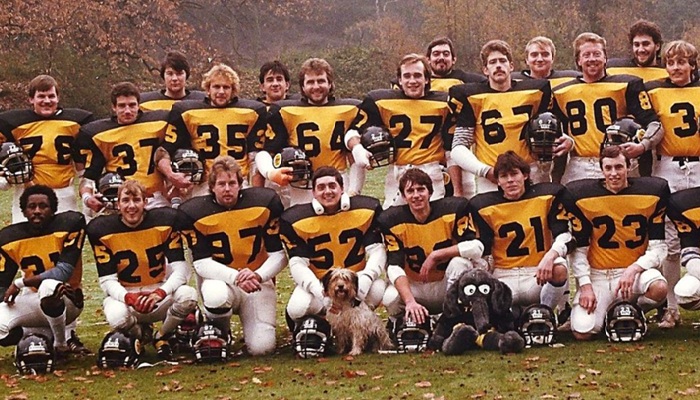
*Main image @Unsplash term time helps children in Nottingham enjoy sport.
Share this content:









Post Comment